Newsroom
Archive 2026
12 Results-

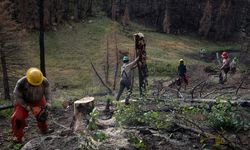
Grand Canyon's North Rim undergoes rehabilitation
NewsAugust 23rd, 2026
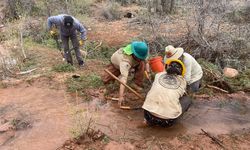
Hunter Tewanema (center) and Austin Masayesva (left, both Hopi Ancestral Lands Conservation Corps) build a rock dam in a North Canyon drainage area severely burned during the 2025 Bravo Dragon Fire, at the North Rim of the Grand Canyon, on July 16, 2026.
Photo Credit: Mark Henle/The Republic
Source: AZ Central
Visit Article -
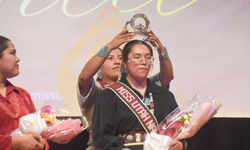
Shantel Israel begins Miss Utah Navajo year with land conservation focus
News“And the hope is to not only talk for the land but actively care for it at the same time,” Israel said. “And from there I hope I can come back and use those skills to help the land around here.”
Source: Navajo Times
Visit Article -
How We Hold on to Water in the Colorado River Basin
NewsJuly 23rd, 2026 - Across the Western U.S., The Nature Conservancy staff and partners are stepping up efforts to protect our forests, conserve water and help balance water needs for the communities, businesses and wildlife that need it most.
Source: The Nature Conservancy
Visit Article -
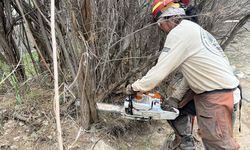
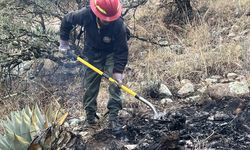
Ancestral Lands Conservation Corps strengthens wildfire resilience on Prescott National Forest
NewsApril 20th, 2026 - Over the past two months, an Ancestral Lands Conservation (ALCC) crew from Albuquerque has been doing work in National Forests in Arizona and New Mexico, including the Prescott National Forest (PNF).
The ALCC engages native youth and young adults in conservation programs to reconnect them with the land and cultural heritage while also building skills to apply to future careers in conservation and wildland firefighting.
Source: The Daily Courier
Visit Article -
Reconnecting Indigenous Youth to Culture and Conservation - ALCC Farm Corps Highlight
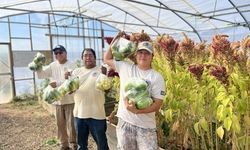
NewsApril 9th 2026 - Ancestral Lands Conservation Corps reconnects Native youth to their land and culture while building job skills and career pathways. Participants gain hands-on training and produce and donate over 400 pounds of food annually.
The lovely people from the Annie E. Casey Foundation traveled from the East Coast to highlight the incredible work of the Farm Corps Program. They stopped by the ALCC Acoma office to tour the hoop house and interview the crew about what this work means to them.
Source: The Annie E. Casey Foundation
Visit Article -
New Mexico Outdoor Recreation Division announces FY26 Final Round of Outdoor Recreation Trails+ Grant Recipients
NewsApril 6th, 2026 — The Outdoor Recreation Division of the Economic Development Department of New Mexico is investing nearly $6 million to build and enhance more than 355 miles of trails and support 288 jobs across 21 counties.
Ancestral Lands Conservation Corps, Otero County, $98,183: Outdoor Recreation Trail+ Grant
Develops community-led trail systems in partnership with the Mescalero Apache Tribe to support health, safety, and connection to nature for youth, families, and elders.
"In harmony with local values, the Mescalero Apache community plans to establish well-designed trail systems guided by a locally hired coordinator who will facilitate community involvement, asses trail needs, and serve as liaison among different organizations associated with the initiative. By engaging all segments of the community, from youth to elders, to identify a suitable location for trail development and ascertain their desires regarding trail utilization and design, a cohesive vision for a safe, accessible, diversified, and sustainable trail network will be developed. The finalized plan positions the project for successful grant application for future trail building, by presenting a coherent trail blueprint grounded in community priorities, and showcasing preparedness for construction."
Source: New Mexico Outdoor Recreation Division
Visit Article -
New Mexico Outdoor Recreation Division announces Grant Recipients
NewsApril 1, 2026 — Congratulations to the second round of FY26 Outdoor Equity Fund recipients! The Outdoor Recreation Division is proud to support these programs that are improving equitable access to New Mexico’s great outdoors and connecting youth to meaningful career pathways.
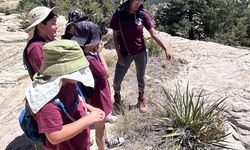
Conservation Legacy, $40,000, Cibola County: Recruits Indigenous young adults to lead Acoma, Diné, and Isleta hiking clubs, providing paid leadership experience while guiding youth through multi-week sessions that reconnect them to ancestral lands, culture, and local land management knowledge.
Source: New Mexico Outdoor Recreation Division
Visit Article -
Cultivating Bernalillo County: Program Spotlight: Ancestral Lands Conservation Corps
NewsFrom Las Vegas, NM and presently residing in Albuquerque, Isaiah Garcia currently serves as the Urban and Community Forestry Coordinator with the Ancestral Lands Albuquerque office.
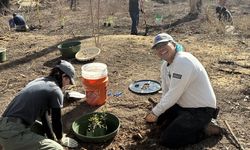
His day to day includes working with several crews from Albuquerque, Zuni, Acoma, and/or Gallup to "cultivate access to open spaces by establishing native plants and trees, remove invasive species, and do trail work." In addition to the conservation focused work, he coordinates with partners—including federal and state agencies, local government, private owners and growers— as well as local plant nurseries to supply plants, shrubs, trees and seeds.
Source: Bernalillo County
Visit Article -
Colorado Department of Natural Resources Announces Largest Investment in Wildfire Mitigation Grant Round in Program History: $6.9M Awarded to Protect Communities
Press ReleaseDENVER - With Colorado facing an urgent need for proactive forest management, The Colorado Strategic Wildfire Action Program (COSWAP) announced its largest Workforce Development grant investment to date. A total of $6.9 million has been awarded to 24 projects across the state for strategic wildfire mitigation and training in partnership with the Colorado Youth Corps Association and Department of Corrections’ State Inmate Wildland Fire Team (SWIFT) crew.
- La Plata County Cross-Boundary Work ($412,875): This project is a collaborative effort between the Southwest Conservation Corps and COSWAP’s newest partnership with the Ancestral Lands Conservation Corps to bridge the gap between the San Juan National Forest and the Durango Hills subdivision to build fire resiliency across both public and private property boundaries.
Source: Colorado State Govenor - Jared Polis
Visit Article -
The First Chapter of County Road 39 - Collaborative Mancos River Project
Blog | Field NoteOver the past two years, the project included construction of 52 Post-Assisted Log Structures (PALS), made entirely of natural materials, which allow water to permeate the nearby flood plain and restore habitat for native species. Native youth crews from the Ancestral Lands Conservation Corps and Southwest Conservation Corps, alongside local volunteers, also planted more than 600 culturally-significant plants – including willow, sage, mint, cattails, chokecherries, buffalo berries, cottonwood, and sumac – and seeded 2 acres of eroded land along the river corridor.
These outcomes were made possible by a unique collaboration between Trees, Water, and, people, Montezuma Land Conservancy (MLC), Ute Mountain Ute Tribe (UMUT), and other local partners that facilitated restoration and Tribal access along private stretches of the Mancos River. As well as increasing availability of culturally-significant plant species, the project supports the Ute Mountain Tribe’s access to their ancestral lands.
Source: Trees, Water, People
Visit Article